A 30-week course led by Dr. Jeanne Magagna, an international expert in the Tavistock method of infant observation.
Developed and refined within the psychoanalytic tradition, infant observation has become a cornerstone in understanding early development, relational dynamics and the foundations of emotional life.
The aim of infant observation is to learn to observe and to develop a facilitating emotional insight without giving advice or interpretations. It is part of many international trainings aimed at refining therapeutic skills and deepening theoretical knowledge.
This course offers an opportunity to gain a deeper understanding of early human psychic development and of the foundations of attachment and psychosomatic unity.
The program aims to develop subtle therapeutic and clinical thinking, teaching practitioners to see any symptom not in isolation but in the context of relationships and the environment.
The course methodology is based on the classical Tavistock approach to infant observation, a worldwide recognized core element in the training of psychoanalysts, psychotherapists and early childhood development specialists. In keeping with the Tavistock tradition, the group observes both newborns and children in their second year of life.
On Thursdays:
16:00 — 17:30 Moscow time (MSK) (summer time)
17:00 — 18:30 Moscow time (MSK) (winter time)
14:00 — 15:30 UK
30 seminars from September 2026 to May 2027.
Certificate — awarded upon completion of the course, subject to writing a final essay.
Both participation formats require writing a final essay — an analytic summary of the observation process or of participation in the group.
The program is designed to meet the needs of both practicing clinicians and those who wish to broaden their theoretical horizons.
For participants ready to complete the full cycle of practical training, including conducting their own observation, writing up records and discussing them in a supervision group.
For those who are unable to conduct an observation or who are interested in early development for their general professional and personal growth.
The program is aimed at a wide range of professionals working in mental health, medicine, social care and education.
60 academic hours, 30 seminars. 1 academic year — from 17 September 2026 to 13 May 2027.
Classes on Thursdays: 16:00–17:30 Moscow time (MSK) (summer time) / 17:00–18:30 MSK (winter time).
180 000 ₽ — full price for everyone.
162 000 ₽ — with one-time payment (10% discount) for everyone; also for graduates of the IPS “Couple and Family” and “Psychoanalytic Psychotherapy” programs.
Payment in two installments: 90 000 ₽ before the start + 90 000 ₽ by 20 January 2027 (for IPS graduates: 81 000 + 81 000).
Monthly payment (8 payments): 24 750 ₽ for everyone / 22 275 ₽ for IPS graduates.
Submit an application and we will reply within one business day. Please indicate your preferred format in the message: observers’ group or wider group.
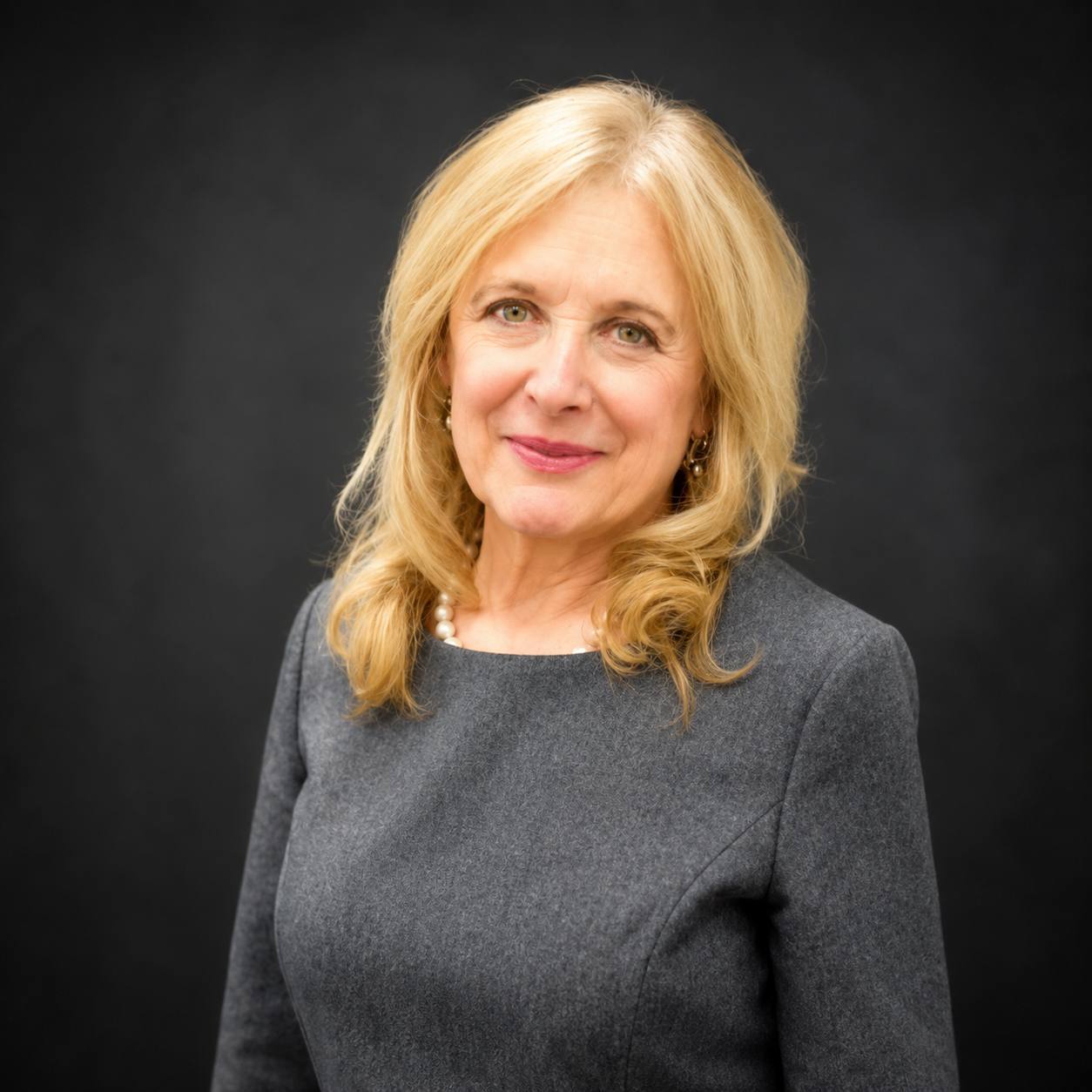
A world-renowned child, adult and family psychotherapist, graduate and teacher of the Tavistock Clinic (London). For 24 years she headed the psychotherapy service at the renowned Great Ormond Street Hospital for children.
A direct student of Esther Bick, she is an international expert and pioneer of the Infant Observation method, which she has taught around the world since 1986.
Author and editor of fundamental works on child psychoanalysis, the treatment of non-verbal children (The Silent Child) and severe eating disorders. Editor of Intimate Transformations: Babies with their Families.
The year I spent in the infant observation program led by Jeanne Magagna was a truly unique experience that I will carry with me throughout my professional and personal life. Over the course of that year I observed two infants at the same time — a boy and a girl. This work allowed me to touch the very earliest stages of a child’s psychic development and to see how relationships, emotional bonds, the capacity for contact and the first notions of oneself and of another person take shape.
As a psychotherapist, I consider the experience of infant observation one of the most important stages of professional development. No book can replace the knowledge I gained from being regularly present with a child and their family, from the capacity to observe, to tolerate uncertainty, to notice the smallest changes and gradually learn to understand the emotional life of the infant and the mother.
I am sincerely grateful to Jeanne Magagna and Tatyana Onikova for the opportunity to take this important journey.
Submit an application and we will tell you about the participation formats and help you choose the right one.
Enroll in the program